Questions asked about: SOUND BATHS
- Giselle Bonilla
- Sep 3, 2024
- 3 min read

Updated: Feb 8
A Gentle Note on Safety and Sacred Care
Sound baths can be deeply nourishing for many people, offering a sense of calm, connection, and inner spaciousness. At the same time, it’s important to honor that each body, nervous system, and spirit responds differently to sound and vibration.
If you experience tinnitus or epilepsy, it is generally advised to avoid sound baths that use gongs, as their intensity can be overstimulating. In my practice, I work exclusively with Crystal Singing Bowls, which offer a more subtle, steady, and harmonious vibrational experience.
If you are in your first trimester of pregnancy, I encourage you to consult with your medical provider before attending a sound bath, so you can feel fully supported and at ease.
Those with serious or acute mental health conditions may also experience heightened or unexpected responses to sound therapy. As a licensed mental health clinician, I feel comfortable and grounded offering sound baths to individuals I already work with therapeutically, where there is an established relationship, trust, and ongoing support.
Holistic healing is not about pushing the body or spirit—it is about listening, consent, and moving at the pace of safety and self-honor.
Reflective questions:
What does my body need in this season of my life?
Am I seeking grounding, release, rest, or insight?
Do I feel resourced and supported enough to receive this kind of experience?
What does “safety” feel like in my body right now?
Why Do I Feel “Weird” After a Sound Bath?
Feeling “strange,” tender, emotional, or even slightly disoriented after a sound bath is very normal. Sound works not only on the physical body, but also on the nervous system, emotional field, and energetic layers. When these layers shift, it can take time to reorient to everyday reality.
You may notice emotional sensitivity, heightened awareness, vivid dreams, or a sense of openness and vulnerability. Many people also experience benefits such as reduced stress and anxiety, deeper sleep, and greater mental clarity. Emerging research suggests sound therapy may help lower stress hormones, improve mood, and reduce physical discomfort.
From a holistic perspective, sound can gently disrupt stagnant patterns—inviting the body and spirit to reorganize themselves into greater harmony.
Reflective questions:
What sensations am I noticing in my body right now?
Did anything surface emotionally during or after the session?
What might my system be asking for—rest, water, movement, silence?
Can I allow this feeling without needing to label or fix it?
What happens when I meet this “weirdness” with curiosity instead of judgment?
Physical Sensations, Energy Shifts, and the Body’s Wisdom
Some people experience temporary fatigue, cold-like symptoms, headaches, or body aches after a sound bath, while others feel energized, expansive, or deeply relaxed. From a holistic lens, these responses can be understood as part of the body’s natural recalibration process—an invitation to release tension, stored stress, or emotional residue.
Rather than viewing these sensations as something “wrong,” they can be seen as messages from the body signaling movement, integration, and change.
Hydration, rest, gentle nourishment, and time in nature can be especially supportive after a session.
Reflective questions:
Where do I feel release, and where do I feel resistance?
What might my body be letting go of?
How can I support my integration after this experience?
Am I allowing myself enough rest in my daily life?
What does my body feel grateful for right now?
What Happens During a Sound Bath Session?
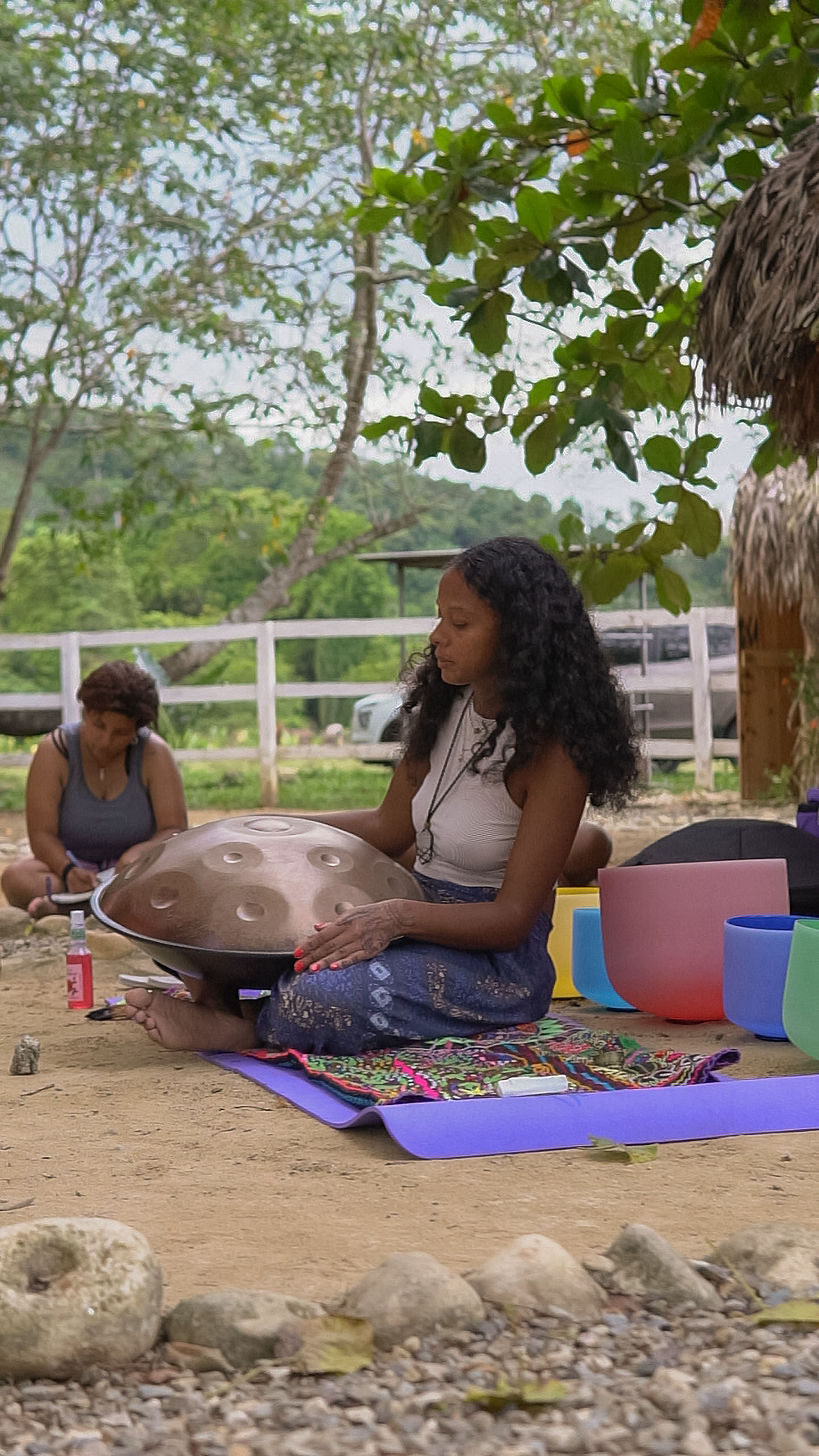
During a sound bath, you are invited into a space of intentional rest and presence. You’ll typically lie comfortably on a yoga mat, wrapped in a blanket, while being gently guided through breathing or grounding practices. As the session unfolds, the sounds and vibrations of the crystal bowls move through the space and your body, inviting your nervous system to soften.
Each experience is deeply personal. Some people enter meditative or dreamlike states, while others remain aware of physical sensations—vibrations, warmth, tingling, or emotional waves. Feelings of joy, sadness, peace, or insight may arise, all of which are welcome.
There is no “right” way to experience a sound bath. Your only role is to receive.
Reflective questions:
What intention am I bringing into this space?
Where do I notice sound landing in my body?
What emotions or images arise without forcing meaning?
What does surrender feel like for me?
How might this experience be supporting my healing in unseen ways?
A Closing Reflection
Sound baths are not about doing—they are about allowing. They invite us to slow down, listen inwardly, and remember the body’s innate intelligence. Trust what arises, honor your limits, and let integration unfold gently, in its own time.


Comments